Spring Home Maintenance Checklist for Homeowners
As winter fades and temperatures begin to warm, spring is a natural time for homeowners to take a closer look at how their home held up through the colder months. In Alberta, winter conditions can be particularly tough on roofing, exterior materials, and drainage systems, so a seasonal check-in can help identify small issues before they turn into larger repairs.
While some items can be part of regular homeowner upkeep, others may require the help of qualified professionals. The goal of a spring maintenance check is simply to stay proactive and protect your home over time.
Here are several areas homeowners often review as part of a spring home maintenance routine.
Roof and Gutters
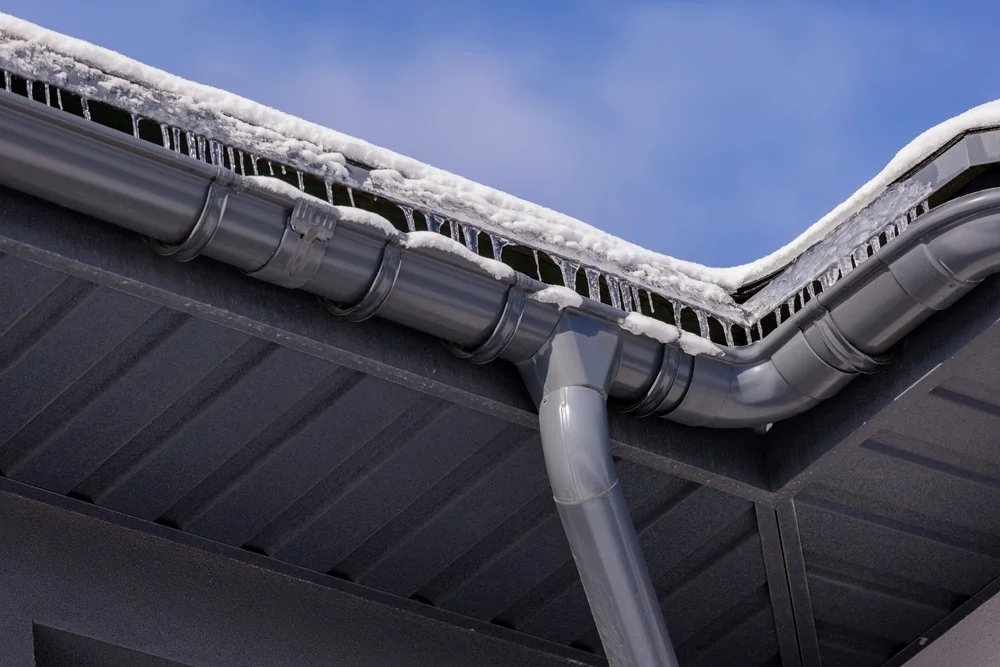
Winter snow and ice can put stress on roofing materials and drainage systems. Many homeowners choose to visually inspect their roof from the ground for signs that may indicate wear or damage.
Things homeowners sometimes look for include:
Missing or lifted shingles
Debris collecting in gutters
Downspouts that appear clogged or disconnected
Keeping gutters clear helps ensure water can flow away from the home properly. If anything appears damaged or unsafe to access, it’s best to contact a qualified roofing professional.
Exterior and Foundation
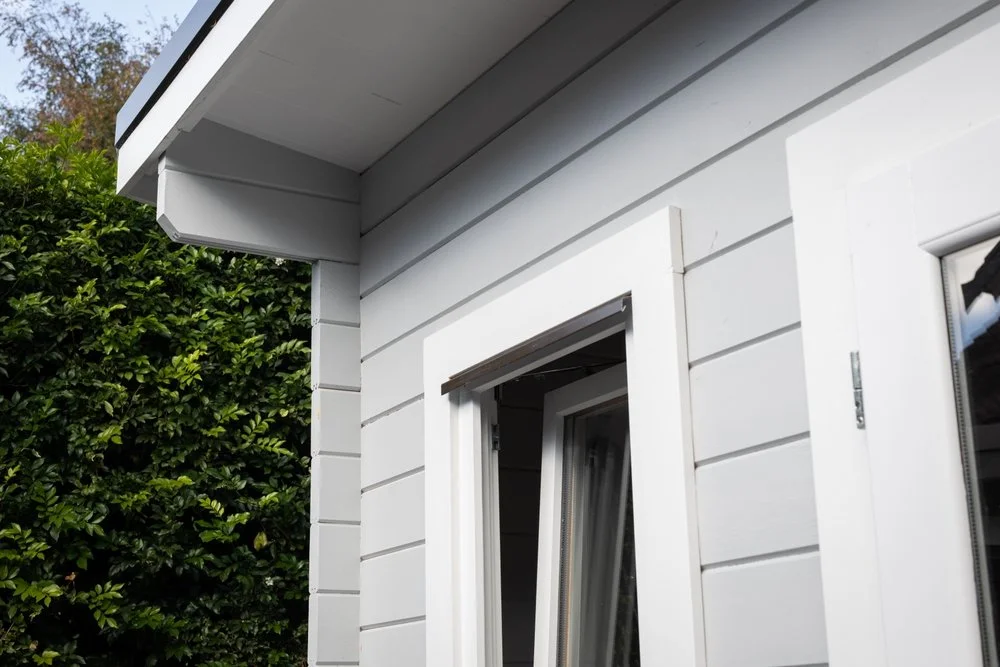
Spring thaw can reveal changes around the outside of the home.
Homeowners often walk around the property to look for:
Areas where water collects near the foundation
Visible cracks in exterior concrete
Damaged siding or peeling paint
Soil that may have shifted during winter
If drainage concerns or foundation movement are noticed, consulting a contractor or foundation specialist can help determine whether further evaluation is needed.

Heating and Cooling Systems
After a long winter of heavy furnace use, many homeowners take the opportunity in spring to give their HVAC system some attention before warmer weather arrives.
Common maintenance steps may include:
Replacing furnace filters
Clearing dust from vents and registers
Scheduling routine servicing with a licensed HVAC technician if needed
Regular servicing can help systems run more efficiently and maintain indoor air quality.
Outdoor Water Lines
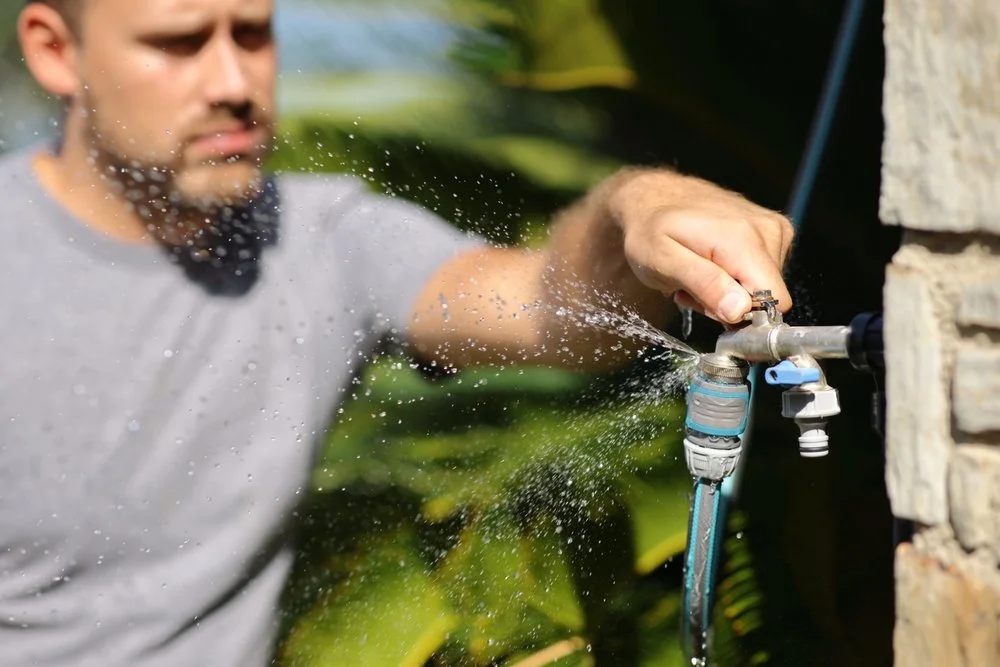
Outdoor faucets and irrigation systems can sometimes be affected by freezing temperatures during winter.
When turning on exterior taps for the season, homeowners may want to check for:
Reduced water pressure
Dripping connections
Water pooling near the foundation
If anything appears unusual, a plumber can help assess whether there is any damage to the line.

Windows and Doors
Temperature changes can affect seals around windows and doors over time.
Spring is a good opportunity to check for:
Worn or cracked weather stripping
Gaps in exterior caulking
Drafts or condensation between window panes
Maintaining these seals can help improve comfort and energy efficiency throughout the year.

Decks, Fences, and Outdoor Spaces
Outdoor structures often experience wear after a full winter season.
Homeowners may wish to check for:
Loose boards or railings
Signs of wood deterioration
Areas that may benefit from cleaning, sealing, or staining
Regular upkeep can help extend the life of decks, fences, and other outdoor features.
Safety Devices
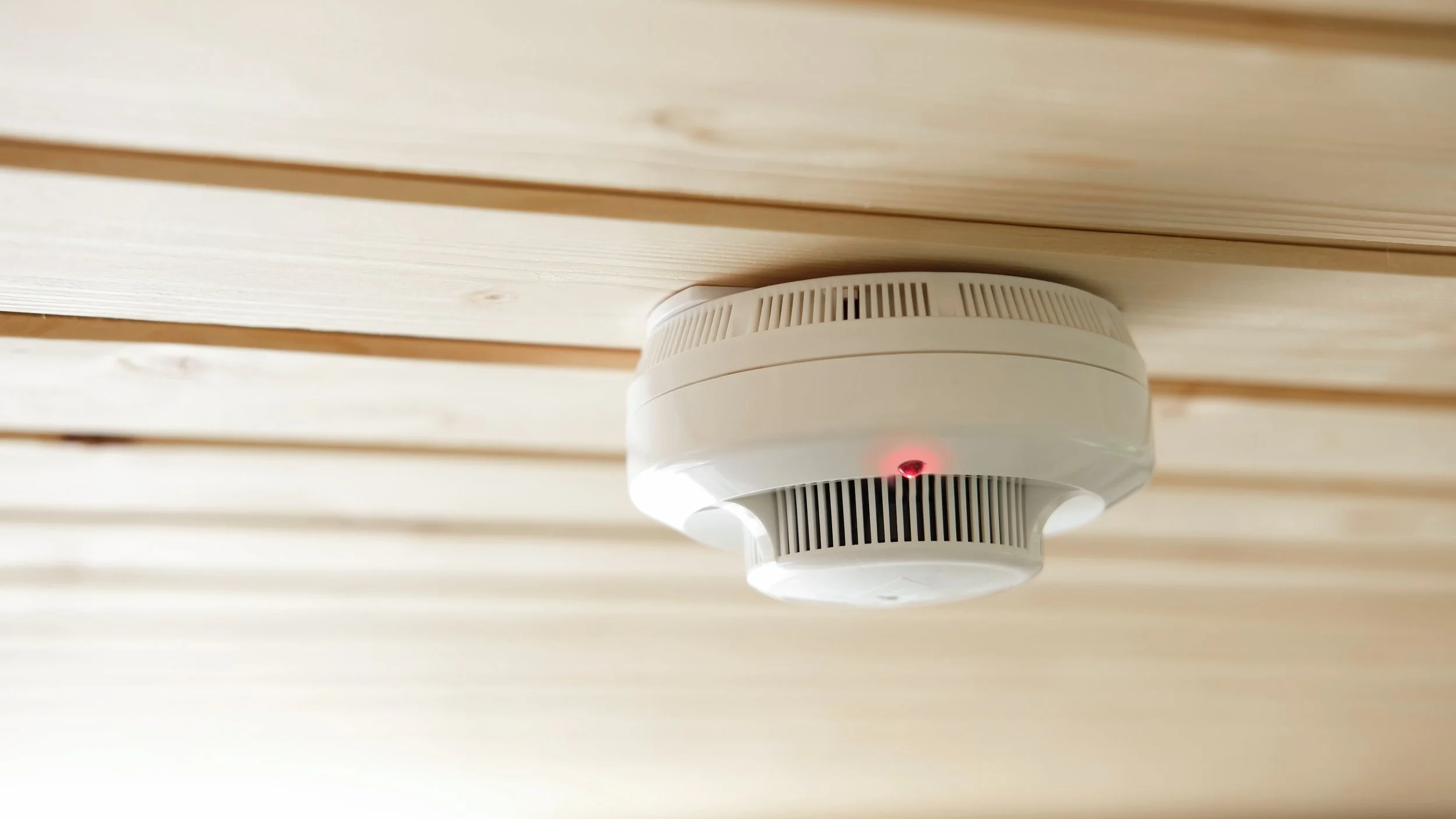
Spring can also serve as a reminder to check household safety equipment.
It’s a good time to:
Test smoke detectors
Test carbon monoxide detectors
Replace batteries if necessary
Ensuring these devices are functioning properly is an important part of overall home safety.
A Helpful Seasonal Habit
Every home requires ongoing care, and addressing small maintenance items early can help prevent more costly repairs later on. Many homeowners find it helpful to create a simple seasonal checklist to keep track of tasks throughout the year.
A Quick Note
This article is intended as general homeowner information and is not a substitute for professional inspections or advice. For specific concerns about your home, consulting a qualified contractor, home inspector, or licensed professional is always recommended.
If you live in Cochrane and enjoy learning more about local homeownership, neighbourhoods, and community life, you can explore more homeowner resources and community insights throughout this website.