Radon in Cochrane: What Local Homeowners Should Know
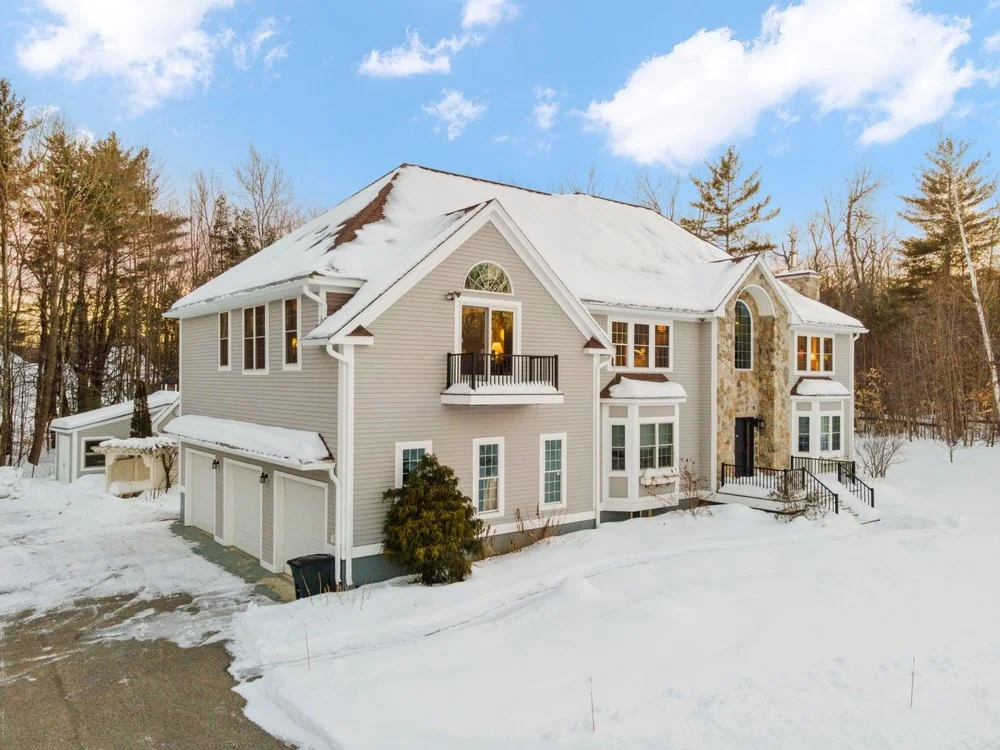
When we talk about protecting our homes, most people think about roof leaks, furnaces, or plumbing issues. But there’s another factor that many homeowners overlook — radon gas.
Radon is often called the “silent risk” because you can’t see it, smell it, or taste it. Yet understanding radon and testing your home are simple steps that can help protect your household’s long-term health.
This guide breaks down what radon is, why it matters in Canada, and what homeowners can realistically do about it.
What Is Radon?
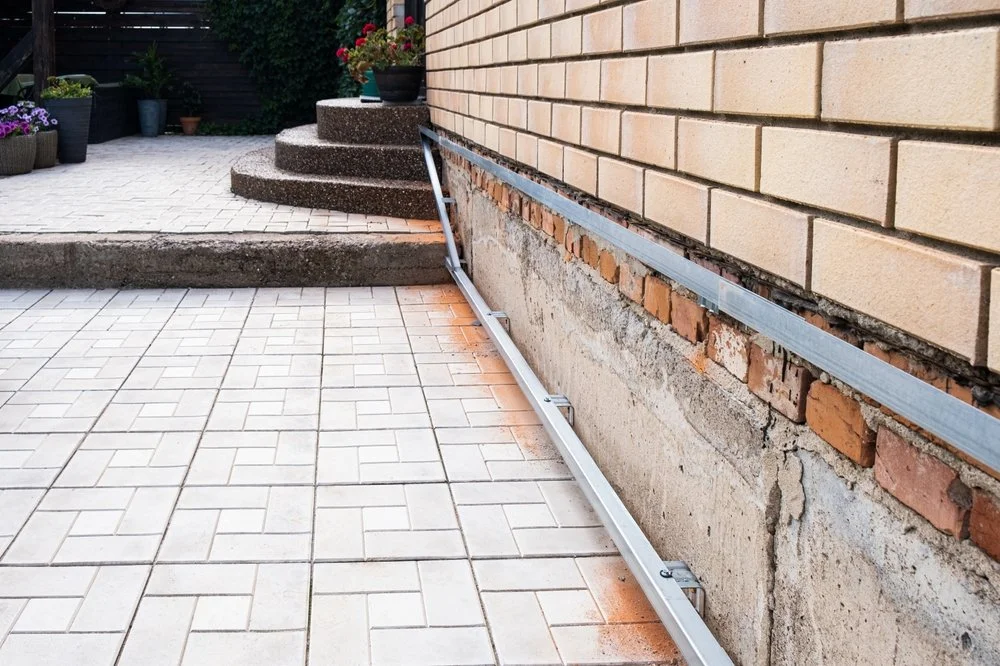
Radon is a naturally occurring radioactive gas that forms when uranium in soil and rock breaks down. It can move through the ground and enter buildings through foundations, cracks, and other openings.
Outdoors, radon usually disperses quickly and isn’t a concern. However, when it accumulates indoors — particularly in basements or lower levels — concentrations can increase over time.
Because radon is invisible and odourless, testing is the only way to know if it’s present at elevated levels in a home.
Why Radon Matters in Canada
Radon exposure is an important public health issue in Canada.
Research from the Evict Radon National Study shows:
Radon is a major contributor to lung cancer in Canada, especially among people who do not smoke.
Approximately 1 in 6 lung cancers in Canada are linked to radon exposure.
Nearly 18% of Canadian residential buildings have radon levels above 200 Bq/m³, the level where Health Canada recommends taking action to reduce radon.
Radon exposure occurs gradually over many years, which is why awareness and testing are key.
Is Radon a Risk in Alberta?
Yes — and homeowners in the Prairies should be particularly aware.
Research highlighted by Evict Radon shows the Prairie provinces (including Alberta) have some of the highest average radon levels in Canada, with about 18.5% of homes exceeding recommended levels.
However, the important takeaway is that radon levels can vary dramatically from one home to the next, even on the same street. The only reliable way to know your home’s level is to test.
The Most Common Misconception About Radon
Many homeowners assume radon only affects:
old houses
rural homes
homes with basements
In reality, radon research across Canada has shown there are no “radon-free” regions, and both new and older homes can have elevated levels.
Modern homes that are tightly sealed for energy efficiency can sometimes trap radon more easily, making testing important regardless of a home’s age.
How Radon Testing Works
Testing for radon is simple and relatively inexpensive.
The Evict Radon project recommends long-term radon testing using devices placed in the lowest regularly occupied level of a home for at least 91 days to get accurate results.
Typical testing steps include:
Place the test device in the lowest lived-in level of the home
Leave it in place for about three months
Send the device to a lab for analysis
Review the radon level results
Long-term tests provide the most reliable measurement because radon levels can fluctuate daily.

What Happens If Radon Levels Are High?
If a test shows elevated radon levels, the good news is that solutions exist and are widely used in Canada.
Radon mitigation systems typically work by:
venting radon gas from beneath the foundation
safely directing it outside the home
These systems can significantly reduce radon concentrations and are generally straightforward to install.

Should Every Homeowner Test?
Most health organizations and radon researchers recommend that every homeowner test at least once.
Because radon levels can change over time due to renovations, foundation settling, or changes in ventilation, it’s also reasonable to retest every few years or after major home improvements.
A Simple Step Toward a Healthier Home

Radon awareness isn’t about creating fear — it’s about understanding one more aspect of maintaining a healthy home.
Testing is:
simple
relatively inexpensive
easy to do
valuable information for homeowners
In the same way we check smoke alarms or service furnaces, radon testing is becoming part of responsible home ownership in Canada.

Final Thoughts
Whether you’re a new homeowner or have lived in your home for decades, understanding radon is a worthwhile step in protecting your household.
If you’re interested in learning more, the Evict Radon National Study provides research, educational resources, and opportunities for Canadians to test their homes and contribute to national radon awareness efforts.